Juneau
United States
 United States
Port
Local time


CloudWeather


48° 36°High / Low (°F)


Live port activity
Updated 5 minutes ago
0 ships in port
| Ship | Cruise line | Status |
|---|---|---|
Port schedule
Port schedule for October 2026
THURSDAY 1 OCTOBER 2026 - FRIDAY 2 OCTOBER 2026
THURSDAY 01 OCTOBER - FRIDAY 02 OCTOBER
No ships are scheduled on this date
SATURDAY 3 OCTOBER 2026
SATURDAY 03 OCTOBER
SUNDAY 4 OCTOBER 2026
SUNDAY 04 OCTOBER
No ships are scheduled on this date
MONDAY 5 OCTOBER 2026
MONDAY 05 OCTOBER
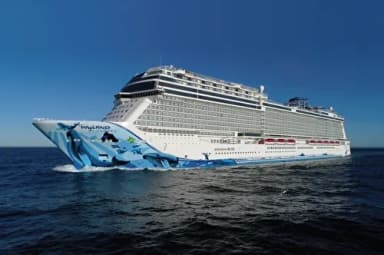
TUESDAY 6 OCTOBER 2026
TUESDAY 06 OCTOBER
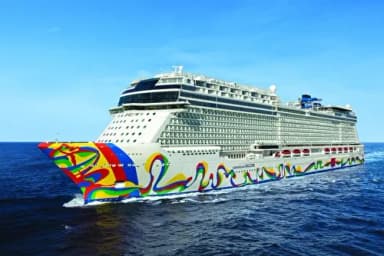
WEDNESDAY 7 OCTOBER 2026 - SATURDAY 31 OCTOBER 2026
WEDNESDAY 07 OCTOBER - SATURDAY 31 OCTOBER
No ships are scheduled on this date
Sailing to Juneau?
Track and plan your cruise, port by port.
Or download the app


Juneau information
LOCODE: USJNU
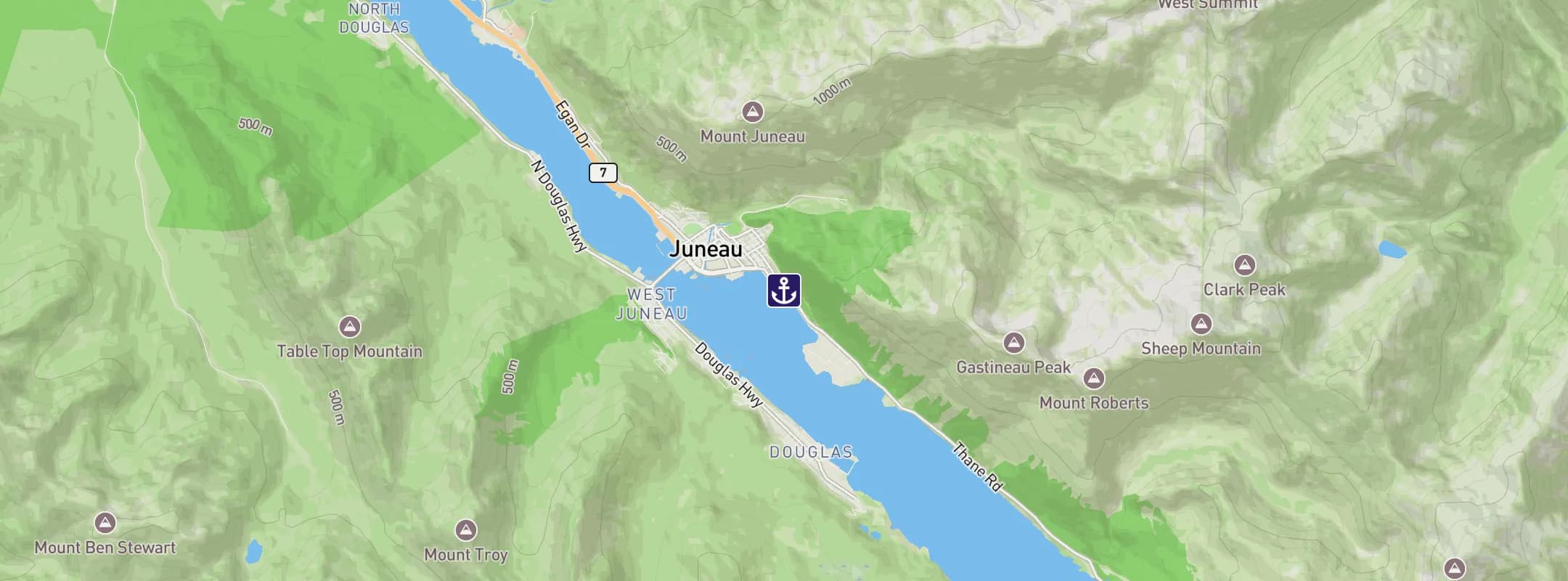
Juneau is the capital of Alaska, sitting along the Gastineau Channel in Southeast Alaska. With a population of around 32,000, it is a major cruise port and a mainstay of the Inside Passage. It also stands apart from every other U.S. state capital in one particular way since there are no roads connecting it to the rest of Alaska or the mainland United States, so everything coming in or out travels by plane or boat.
Cruise ships dock directly in downtown Juneau along Egan Drive, putting popular spots like the Red Dog Saloon, the State Capitol, the Governor's Mansion and the Mount Roberts Tramway all within walking distance. Three terminals run parallel to downtown, and guests can walk into the city centre from any of them. The port itself is compact and easy to explore on foot, with most shops and restaurants lining South Franklin Street.
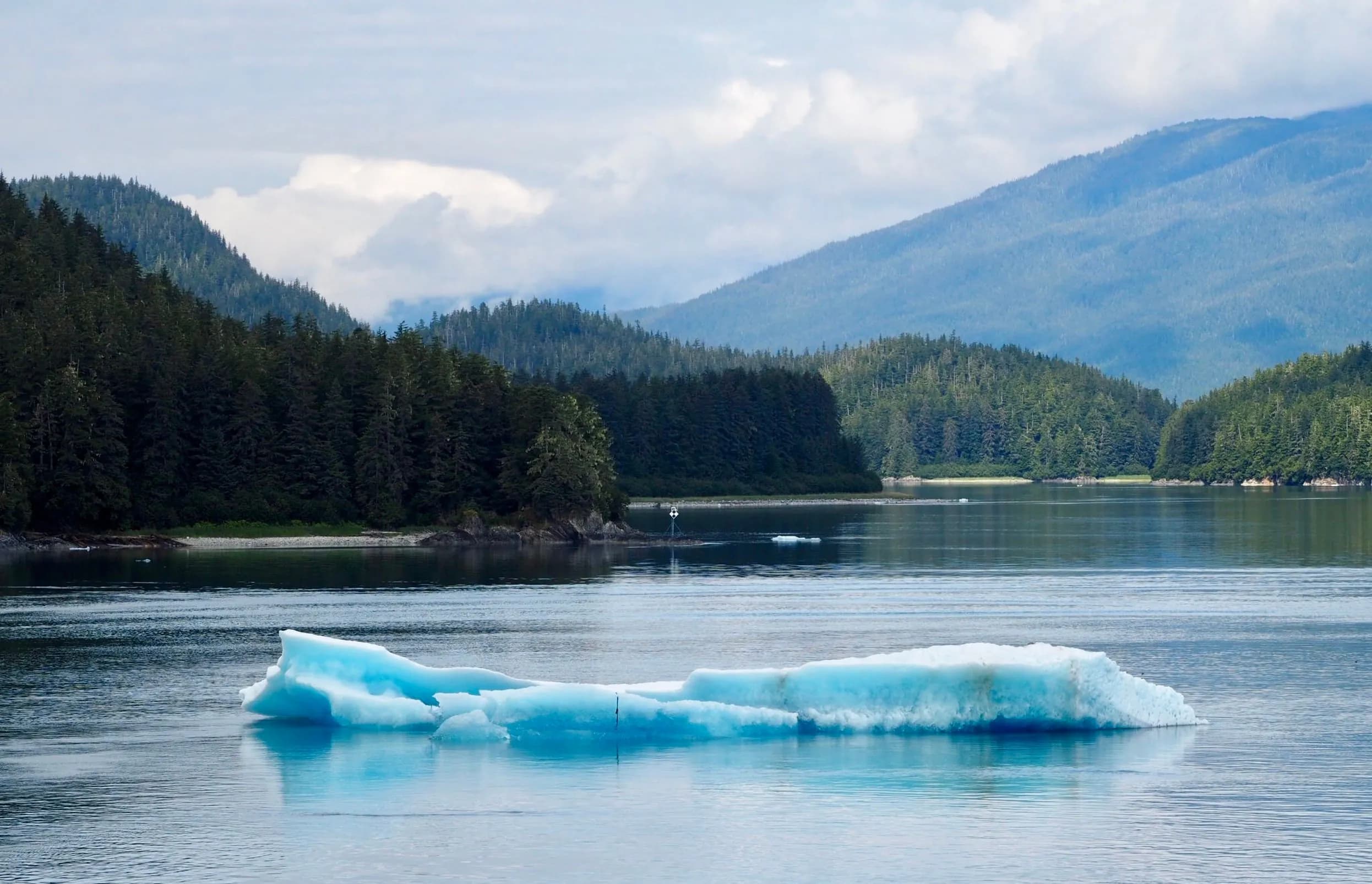
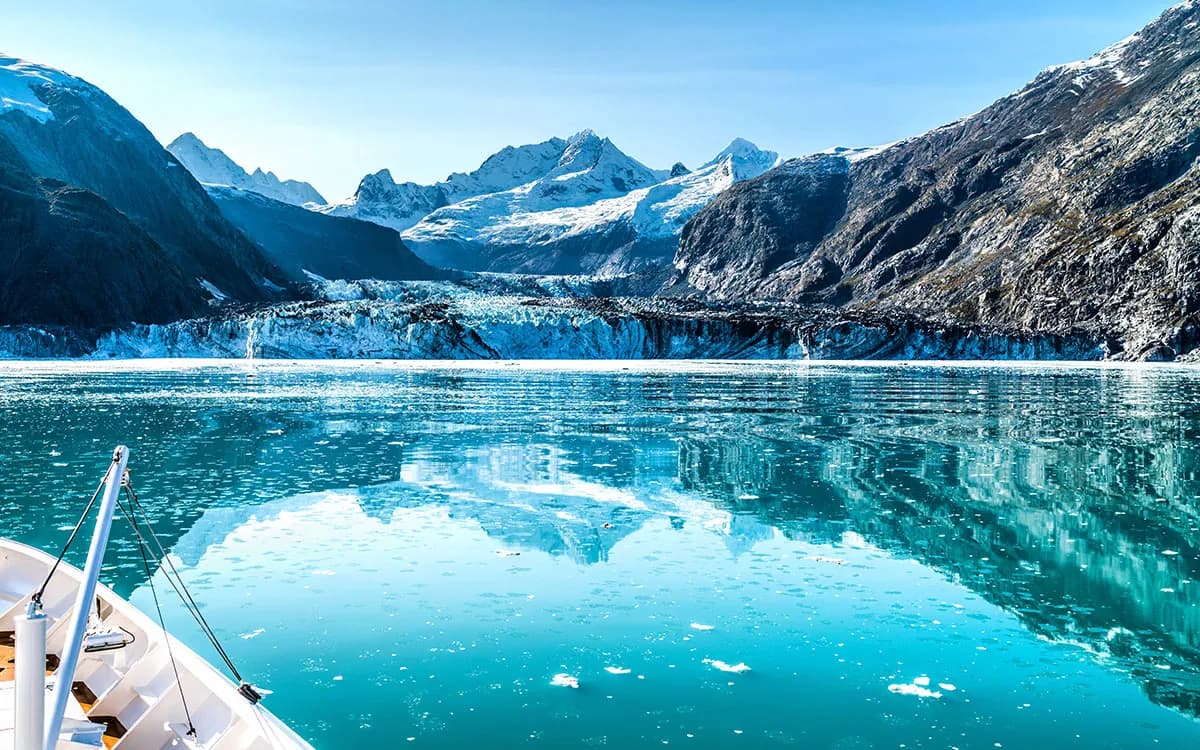
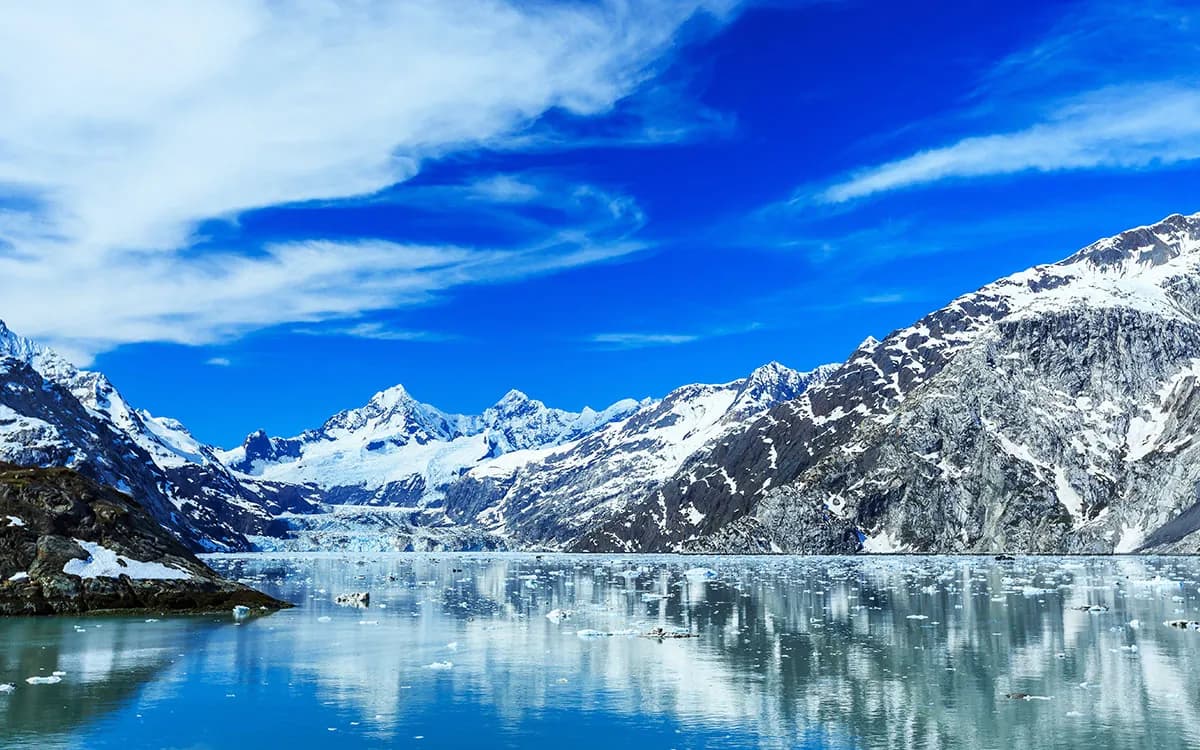
High above the city sits the Juneau Icefield, a vast ice mass that feeds around 30 glaciers, including the Mendenhall Glacier and Lemon Creek Glacier, both visible from the local road system. The city's story begins with the gold rush of 1880, when a local prospector arrived with ore samples and set a search in motion. Joe Juneau and Richard Harris were sent to investigate the Gastineau Channel and came back having found gold in sizeable nuggets. Juneau went on to become the capital of Alaska in 1906, when the territorial government relocated from Sitka.
Today the local economy leans heavily on fishing and tourism. Juneau sits amid salmon rich waters, and fresh seafood shapes much of what is on the menu around town. More than 30 saloons once lined its streets, and a handful of the oldest are still pouring drinks today. The city also serves as a social centre for the Tlingit, Haida and Tsimshian peoples of Southeast Alaska.
The surrounding wilderness is a big part of Juneau's appeal. Auke Bay is a feeding ground for marine mammals, from humpback whales to orcas, and downtown sits at sea level beneath mountains that rise roughly 3,500 to 4,000 feet, with tides averaging around 16 feet. The city sees over 50 inches of rain a year, so the climate stays mild but wet. Visitors often head out on glacier excursions, hike through the surrounding forest, or kayak the sheltered waterways in search of wildlife.